Bedroom design · Sleep environment
Oeuf Sparrow Twin: Planning a Calm, Space-Smart Sleep Setup
A child’s room is at once a place to sleep, dress, read, play and gather the small, meaningful things of daily life. Centering it on an Oeuf Sparrow twin calls for more than fitting a bed into the floor plan: it is an invitation to think carefully about movement, light, storage and the quieter pleasures of a room that can change with its occupant.
Published November 22, 2026
A twin bed can give a nursery or child’s bedroom a more grown-up rhythm without making it feel formal. It offers room to stretch, space for a bedtime story, and a useful place for a parent to sit during the day. The Oeuf Sparrow twin may be the focal point, but the success of the room depends on the space around it: the path from doorway to bed, the reach of a bedside light, the ease of changing sheets and the everyday choreography of getting dressed.
The most polished small rooms are rarely the ones with the most furniture. They are the ones in which each piece has a reason to be there. Before choosing a rug or deciding where the books will live, begin with the bed’s actual dimensions and the room’s fixed features. Then build a layout around comfort and circulation. The result can feel considered rather than crowded, welcoming rather than staged—and practical enough to support real life.
Begin with the room, not the furniture
Measure the bedroom before moving anything into place. Note the length and width of the room, the locations of doors and windows, closet openings, heaters, outlets and any built-in storage. Measure the bed using the manufacturer’s current specifications, including the outer frame dimensions rather than only the mattress size. A twin mattress measurement does not necessarily describe the complete footprint of a bed frame, and that difference can matter in a narrow room.
Sketch the room on paper or use a simple digital floor plan. Include door swings, closet access and the route to the window. Then mark the bed’s possible positions to see what remains for circulation. This little exercise can reveal that a seemingly generous corner is difficult to reach, or that a bed placed along a different wall makes room for a dresser without blocking a doorway.
There is no universal clearance that suits every family or every room. The aim is to preserve comfortable, unobstructed movement and safe access to the bed. Consider how the child gets in and out, whether an adult needs to help with bedtime, and whether drawers or closet doors can open fully. A layout that looks spacious in an empty room may feel entirely different once a laundry basket, reading chair or toy bin joins the scene.
- Measure the bed frame, mattress and any projecting components separately.
- Mark doors, drawers and closet panels in their open positions.
- Keep the main route through the room clear of loose objects and sharp corners.
- Check that the bed does not obstruct heating, ventilation or access to windows.
- Revisit the plan with the room’s daily routines in mind, not just its appearance.
Choose a position that feels easy
In a compact bedroom, placing the bed against a long wall is often an efficient starting point. It can preserve a broad central area for movement and leave another wall available for storage. A corner placement may be useful when floor space is limited, though it can make one side of the bed less accessible. Think about who will make the bed, change sheets or help a child settle in at night. A beautiful arrangement should not make ordinary care feel like a daily negotiation.
Windows bring daylight and a sense of openness, but a bed should not interfere with blinds, curtains or safe access. Avoid positioning furniture in a way that blocks a radiator or vent, and follow the guidance provided for the bed and room. If the bed sits near a window, make sure window coverings and their cords are managed safely, with particular care in children’s rooms. The goal is a placement that feels calm while respecting the practical requirements of the space.
Consider the view from the bed, too. A child who can see the doorway may find the room more reassuring; another may prefer a quieter corner with a familiar bookcase nearby. There is no single correct answer. A few days of observing how the room is used can be more useful than committing immediately to a symmetrical arrangement. Furniture can often be shifted until the room’s natural patterns become clear.
Make a small footprint feel generous
Visual spaciousness comes from more than square footage. Open floor, clear sightlines and a restrained number of objects can make even a modest bedroom feel breathable. A twin bed is substantial enough to anchor the room, so let it do that work. Instead of surrounding it with several small tables and cabinets, choose a few well-scaled pieces that meet real needs.
Keep the floor visible where possible. A low-profile bed, if appropriate to the particular frame and the child’s needs, can help the room feel less top-heavy. Furniture with simple lines and a limited visual footprint tends to sit quietly in the background. Avoid filling every wall simply because it is empty. A little blank space is not a design failure; it gives the eye somewhere to rest and leaves room for the room to evolve.
Mirrors can reflect daylight and make a room feel brighter, but they should be securely installed and positioned thoughtfully. Artwork, a pinboard or a small display ledge can add personality without consuming floor area. Keep cherished objects within the child’s reach where appropriate, and place heavier items securely. The aim is not an immaculate showpiece but a setting that feels personal and easy to maintain.
A bedtime palette with room to grow
A calm color palette need not mean a room without character. Muted blues, soft greens, warm whites, clay tones and natural wood can create a gentle foundation, while a favorite color appears in a throw, a framed print or a small accent. Starting with quieter, adaptable tones can make it easier to update the room as tastes change, without replacing every major element.
Texture brings warmth where strong pattern might feel busy. Cotton, linen, a softly woven rug and natural wood can make a bedroom feel layered but not overworked. Use contrast deliberately: a pale wall against a darker bed frame, or crisp bedding against a warm-toned floor, can provide definition without visual clutter. In a small room, repeating a few colors across textiles and storage helps the space feel cohesive.
Color is a matter of preference, not a sleep treatment. A gentle palette may feel restful to one child and dull to another. Involve the child in small choices—perhaps a pillowcase color or the picture beside the bed—while keeping the overall environment easy to use. A room feels most inviting when it reflects the person sleeping there, rather than following a rigid idea of what a nursery or child’s room should look like.
Bedding: comfort begins with fit
For a twin setup, verify the mattress size and depth before purchasing sheets, mattress protectors or toppers. Bedding should fit the mattress as intended and remain secure during normal use. The bed’s frame dimensions and mattress dimensions are separate measurements, so check both. If the bed has a distinctive profile or a particular mattress requirement, follow the manufacturer’s guidance rather than assuming that standard bedding will suit every configuration.
Fabric is a personal choice, but breathability, care and feel are useful starting points. Cotton percale has a crisp, light hand; sateen is smoother and often feels more fluid; linen has a relaxed texture and can soften over time. For a child’s bed, machine-washable layers and straightforward care instructions can be as valuable as a particular finish. Choose bedding that can handle frequent laundering without turning routine upkeep into a project.
Layer with restraint. A fitted sheet, a suitable blanket or comforter and a pillow appropriate to the child’s age and needs are often enough to create a welcoming bed. Extra decorative cushions may look charming, but they can become clutter on a small mattress and need somewhere to go at bedtime. For infants, follow current safe-sleep recommendations from qualified health authorities; decorative bedding and soft objects should not be added to an infant sleep space unless the relevant safety guidance says they are appropriate.
Keep a spare sheet set in an accessible drawer or closet. A small, well-organized linen supply can make nighttime changes simpler, particularly for families with young children. Store clean bedding in a dry place, and follow the care label for washing and drying. The best bedding system is not the most elaborate one; it is the one that stays comfortable, fits correctly and is easy to refresh.
Storage that earns its place
Storage can make a bedroom feel serene, but only when it is easy to use. Start by identifying what actually needs to live in the room: clothing, books, a small collection of toys, spare bedding or school essentials. Assign each category a home. When storage is too complicated, belongings tend to gather on the nearest surface, and even a lovely bed can disappear into visual noise.
Use vertical space thoughtfully. Wall-mounted shelves can keep books accessible without claiming valuable floor area, while a compact dresser may combine clothing storage with a surface for a lamp or a few treasured objects. Secure furniture according to the manufacturer’s instructions and relevant safety guidance. A child’s room changes quickly, so periodically check that furniture remains stable and that everyday items are stored where they can be reached safely.
Under-bed storage can be useful if the frame and room layout allow it. Choose containers that slide easily and do not create an obstacle on the main walking route. Avoid treating every empty inch as a storage opportunity: a bed that is difficult to access or clean beneath may not feel as practical as it first appeared. A single lidded basket for soft toys or a designated book shelf may be enough to keep the floor clear.
Lighting for winding down and waking up
Good bedroom lighting works in layers. Daylight is welcome during the day, while softer, warmer-feeling light can make the evening atmosphere feel less stark. A general ceiling light helps with dressing and tidying; a bedside light can support reading or a quiet bedtime routine. If a child uses a lamp independently, choose and place it with age-appropriate safety in mind, following product instructions and keeping cords managed.
Window coverings offer privacy and help control daylight. Their weight and opacity can be selected according to the room’s orientation and the household’s routine. The room does not need to be transformed into a sealed dark box; it simply needs a light environment that suits sleep and morning use. If bright early sunlight is an issue, consider a safe, practical curtain or blind solution and make sure it does not create a hazard.
Keep nighttime navigation simple. A clear route to the door and a gentle light source can help a child move around when necessary. Avoid placing lamps where they can be knocked over or where cords cross walkways. The small details—switch location, cord management, how easily a light can be turned off—often matter more than a dramatic fixture.
Comfort is also about sound, temperature and air
A thoughtfully arranged room supports comfort beyond its appearance. Notice whether it becomes too warm or cool, whether street or household noise interrupts rest, and whether the air feels stuffy. Temperature preferences vary, and the right setting depends on the person and the home. Use the room’s existing ventilation and heating responsibly, and avoid covering vents or placing the bed where airflow is blocked.
For noise, begin with simple observations. Is the room affected by a slamming door, a bright hallway or a television in another area of the home? Soft furnishings can influence the feel of a room, but they cannot solve every sound issue. Address the source where practical and keep the sleep area uncluttered. If a child needs a familiar bedtime sound, keep it at a comfortable level and use it consistently rather than treating it as a substitute for a suitable sleep routine.
Regular cleaning helps keep dust and daily mess from accumulating around the bed. Wash sheets as needed, vacuum or clean the floor according to its material, and keep laundry from gathering in walking paths. These are modest habits, not a demand for perfection. A calm bedroom is one that can be reset without an elaborate effort.
Design for the next chapter, too
Children grow, routines shift and rooms take on new purposes. A twin bed can be a useful bridge between a nursery arrangement and a more independent bedroom, but its surroundings should remain flexible. A small desk may be needed later; a toy chest may become a bookcase; favorite colors may change. Leaving some open wall and floor space makes those transitions easier.
When assessing the Oeuf Sparrow twin specifically, consult current product information for its exact dimensions, assembly requirements, compatible mattress specifications and care instructions. Do not rely on assumptions based on the word “twin” alone. Confirm that the bed works with the room’s measurements and with the family’s needs, and review all relevant safety guidance for the product and the child’s age.
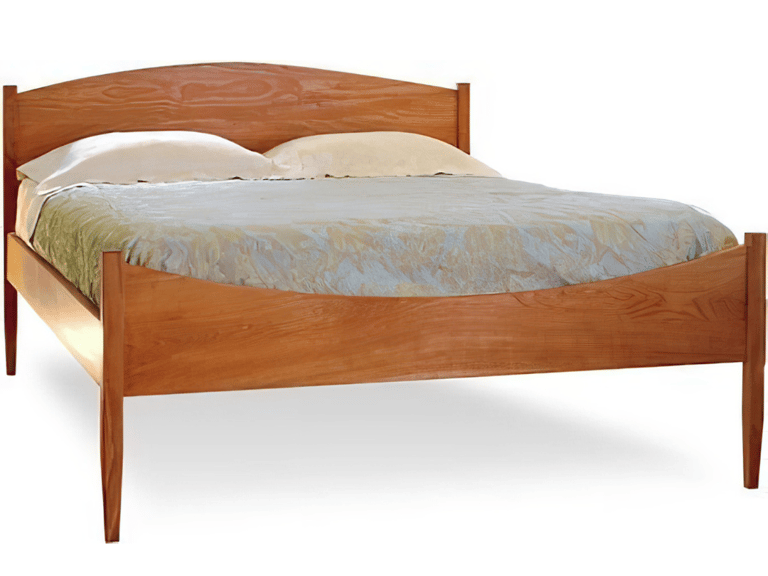
For those comparing different twin-bed approaches, a distinct alternative in the same general planning conversation is the Maple Corner Woodworks Shaker Moon Bed Frame, described as a handcrafted Vermont hardwood bed available in twin size. Its platform construction and simple Shaker lines make it relevant as a separate furniture option to consider when thinking about a room’s footprint and visual style. It is not the Oeuf Sparrow, and the two should be assessed independently for dimensions, features, price and suitability.
A practical setup checklist
Before calling the room finished, walk through it as if you were using it at several points in the day. Can the bed be made without moving furniture? Is there an easy path from the door to the bed? Can a closet open fully? Is the reading light reachable? Are frequently used books and clothes easy to put away? These simple questions often reveal more than another round of decorating.
- Confirm the current frame and mattress measurements before finalizing the layout.
- Leave clear access to doors, closets, windows, vents and everyday storage.
- Choose sheets and protectors that match the mattress size and depth.
- Keep the bedside area useful but uncluttered, with safe lighting and managed cords.
- Use storage that the child can understand and, where appropriate, reach.
- Follow product instructions and relevant child-safety guidance for furniture and sleep.
- Keep a little open space for play, movement and future changes.
The quiet luxury of a room that works
A restful bedroom rarely announces its good design. It simply makes the small rituals of the day feel easier: slipping into bed, finding a favorite book, pulling on a clean sheet or putting a toy away before the lights go out. An Oeuf Sparrow twin can serve as the room’s central piece, while the choices around it determine whether the space feels open, calm and personal.
Measure first, edit generously and let comfort guide the details. A clear pathway can be more valuable than another piece of furniture; well-fitting bedding more useful than an elaborate layer of decoration. With a considered layout, soft but practical textiles and storage that supports everyday habits, even a compact bedroom can feel composed. The most enduring nursery and bedroom design is not frozen in a perfect moment. It leaves room for sleep, play and the life that unfolds around the bed.